
GEO Is Here. Don't Panic — It's the Next Step Beyond SEO
Your SEO assets aren't losing value. They just need an upgrade — from "being indexed by search engines" to "being cited by AI engines"
Recently, many people in the export business have asked me: Is GEO going to disrupt SEO? Do we have to start all over again?
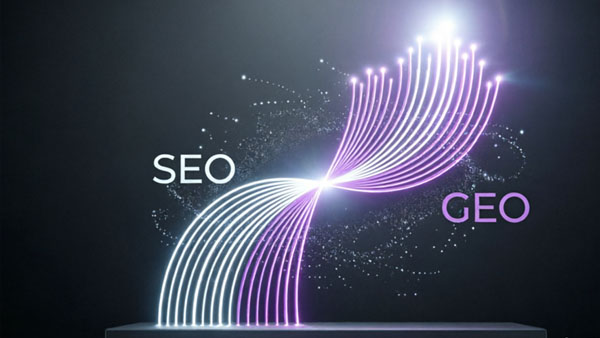
Our answer at SeeGrowth is straightforward: Don't panic. GEO is an extension of SEO, not a replacement.
Every blog post you've published, every product page you've built, every backlink you've earned, and every customer review you've collected over the past five years still has value in the age of GEO. The difference is that SEO was built primarily for search engines. Now, you need to take one more step and make that information easy for AI to understand and confident enough to cite.
1 SEO Is the Foundation. GEO Builds on It.
The SEO Era: People Find Information
A buyer searches Google for "PCBA manufacturer China," goes through several pages, and eventually finds your website. Your goal is to rank higher.
The GEO Era: AI Recommends Information
A buyer asks ChatGPT, "Can you recommend a few reliable PCBA manufacturers in China?" AI may respond with a shortlist of 3–5 suppliers. Your goal is to be cited and recommended.
Key insight: Many AI recommendations are built on information already available across high-quality, searchable web pages. The stronger your website's search visibility and authority, the more opportunities you have to be discovered, cited, and recommended by AI. SEO is the foundation. GEO is the next floor.
2 Which SEO Assets Can You Reuse for GEO?
Blog Content
Your industry insights, technical articles, and case studies are already the kind of material AI can use as supporting sources. They mainly need a structural upgrade: add FAQs, data, and clear conclusions.
Certifications & Credentials
ISO, IATF, UL and other certification pages are important signals when AI evaluates whether a company is trustworthy. Simply add verifiable details and links so the information can be cross-checked.
Customer Case Studies
Your successful projects can become strong evidence when AI evaluates and recommends suppliers. The key is to add more specifics: customer industry, actual challenges, and measurable results.
Backlink Resources
Industry media, forums, and B2B platform links you've built over time still matter. They remain useful signals of website authority in the GEO era. Backlinks still have value.
3 From SEO to GEO: Just Take These Three Extra Steps
Structure Your Content: Make It Easy for AI to Use
Instead of saying "We are a professional manufacturer," present your capabilities as structured facts: 3 core services, 5 target industries, 4 certifications, and 2 key capacity figures. AI works better with structured information than with vague marketing copy.
Build FAQ Content Around Real Buying Questions
Buyers don't ask AI for keywords. They ask decision-making questions: "How do I verify the quality of a PCBA manufacturer?" "What certifications are required for medical PCB manufacturing?" Create useful, specific answers to these questions, and make them easy for AI to understand and reference.
Build a Trust Evidence Chain: Give AI Reasons to Recommend You
Add verification links to certifications, measurable results to case studies, and third-party sources to customer reviews. When AI recommends a supplier, it needs evidence — not just marketing claims.
4 One Key Data Point: Strong SEO Gives GEO a Head Start
One study found that 87% of the sources cited by AI engines such as ChatGPT and Perplexity came from websites appearing within Google's top 10 search results. The better your SEO visibility, the more opportunities your content has to be discovered and cited by AI.
This is not a coincidence. AI systems rely heavily on information that is already available and discoverable on the web. SEO is the entry point to GEO.
The Bottom Line
GEO is not a revolution, and you don't need to start from scratch. It is the natural evolution of SEO — from "helping search engines understand your business" to "helping AI engines understand, cite, and recommend it."
You already have the SEO foundation. With SeeGrowth, you can build on it with three additional steps: structured content, FAQ-driven answers, and stronger trust evidence.
Your SEO assets aren't losing value. GEO simply makes them more valuable.